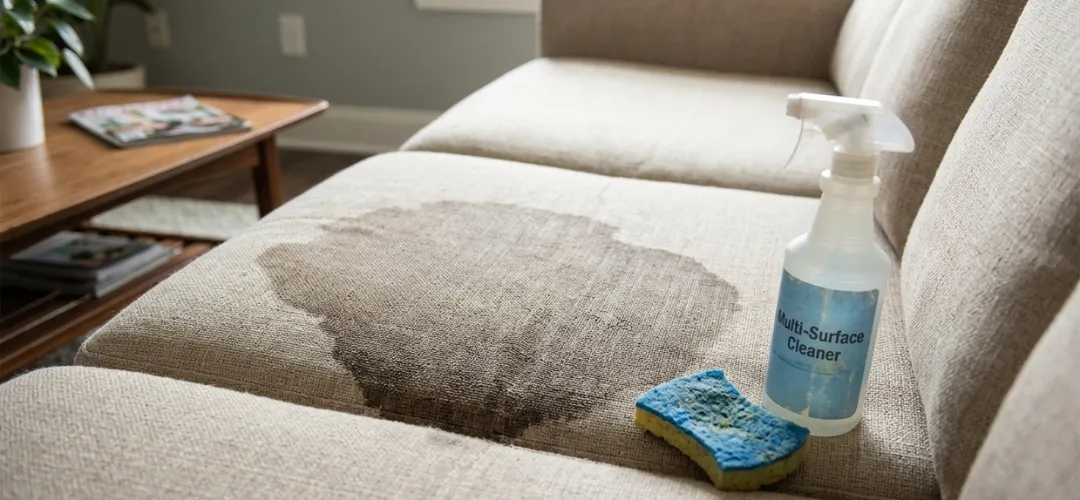
There’s a glass of red wine on the floor now, an empty stain on the cushion, and your hand already reaching for a spray bottle. Before you scrub, hold on. DIY upholstery cleaning feels like the obvious move. It saves money, it looks simple, and how hard can blotting a couch really be?
Harder than it looks. And messier when it goes wrong.
Here’s the honest twist. That quick fix often makes the stain worse, not better, and your attempt at couch stain removal can leave you with a bigger, darker mark than you started with. In this guide, we’ll cover why clean upholstery matters, what actually goes wrong, why your couch looks dirtier afterward, the damage you can’t see, when DIY is fine, and when it’s time to call a pro.
Why Clean Upholstery Matters More Than You Think
Right now you just want that stain gone. Fair enough. But let’s zoom out for a second, because there’s more riding on your sofa than a splash of wine.
Understanding why upholstery cleaning is important comes down to what your couch quietly collects. Think about the cushion the whole family piles onto every night. The dog naps there. The kids eat snacks there. You fall asleep watching Netflix there. Over months, that fabric soaks up dust, dead skin cells, body oils, pet dander, crumbs, and allergens that settle deep into the fibers and padding below.
A surface that looks clean can hold a surprising amount underneath. That’s the whole point of proper upholstery cleaning, and it’s exactly why the wrong approach quietly works against you. You’re not just chasing one stain. You’re caring for a piece of furniture that touches your family every single day.
So the goal is clean, healthy furniture. The trouble is that the most common method, grabbing a bottle and scrubbing, tends to backfire. Let’s look at why.
Why Your Couch Looks Dirtier After You Clean It
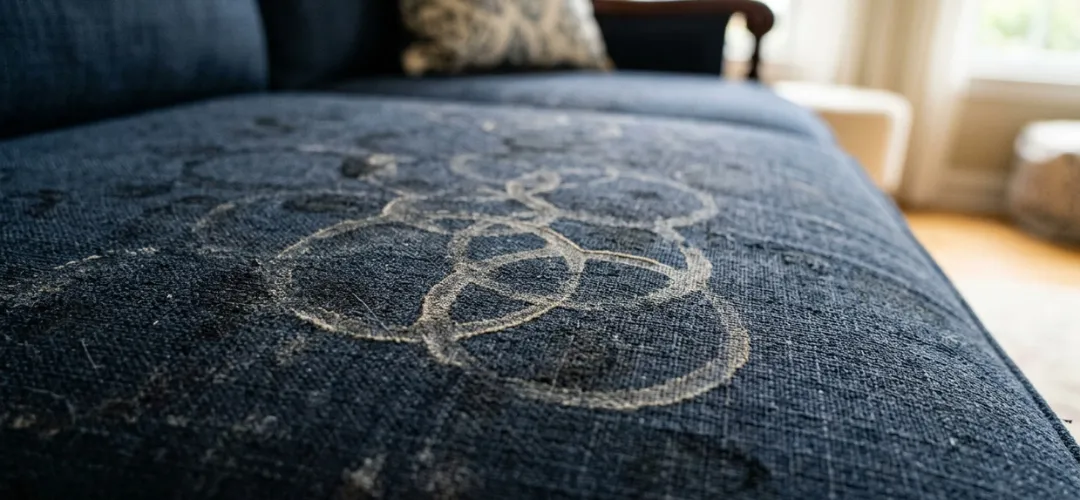
So you scrubbed the spot, walked away proud, and came back hours later to find a bigger, darker ring than before. Why does my couch look dirtier after cleaning? It’s one of the most frustrating things a homeowner runs into, and the answer comes down to two sneaky culprits.
The first is wicking. When moisture soaks into the padding, it carries the stain down with it. Then as the cushion dries from the inside out, that moisture travels back up to the surface and drags the stain along for the ride. Picture a coffee ring spreading outward on a napkin. That’s exactly why stains spread after DIY couch cleaning, leaving you with a halo instead of a clean spot.
The second culprit is residue. Soap and cleaner that never fully rinse out stay behind in the fabric, and that sticky film acts like a magnet for fresh dirt. So the area you just cleaned actually attracts more grime and ends up looking worse within days. That’s the simple, maddening truth behind why DIY upholstery cleaning makes stains worse.
The Four Mistakes That Wreck Fabric Sofas
Wicking and residue don’t happen by accident. They’re the result of a handful of habits that feel right in the moment but cause real harm. Here are the four big mistakes people make when cleaning fabric sofas at home, and what each one does to your couch.
Over-Wetting the Fabric
This is the most common slip of all. When you soak a cushion with too much water or cleaner, the liquid doesn’t stay on the surface. It sinks straight into the foam and padding beneath.
The problem with over-wetting upholstery is everything that follows. Trapped moisture creates water rings, lingering musty odors, and the perfect dark, damp environment for mold and mildew inside the cushion where you can’t see it. That’s literally what happens when you overclean upholstery. You think more water means a deeper clean, but the opposite is true.
Scrubbing Too Hard
It’s tempting to attack a stain like you’re sanding a deck. Resist that urge. Aggressive rubbing creates friction that frays delicate fibers and pushes the pigment deeper into the backing instead of lifting it out.
The result is fabric damage from cleaning that’s often permanent. Think about your armrests and seat cushions, the spots you’d scrub hardest. Those are exactly where you’ll end up with fuzzy, worn, distorted patches that no amount of cleaning will fix.
Using the Wrong Cleaning Products
That dish soap, that vinegar hack, that random spray under the sink? Most household cleaners are either too harsh or leave behind a sticky residue that never rinses clean. These improper cleaning methods are a gamble with your sofa.
Get it wrong and you’re looking at:
- color fading on upholstery or outright bleaching
- stiff, crunchy fabric that lost its softness
- sticky film that attracts new dirt within days
Some fabrics react instantly. Others show the damage a few days later, long after you’ve put the bottle away.
Ignoring the Fabric Cleaning Code
Flip over a cushion and you’ll usually find a tag with a single letter. That code tells you exactly how the fabric can be cleaned, and skipping it is how permanent staining and discoloration happen.
| Code | What It Means |
| W | Water-based cleaner only |
| S | Solvent or dry-clean only, no water |
| WS | Water or solvent cleaner is safe |
| X | Vacuum only, no water or solvent |
Use water on an S-coded fabric and you can ruin it on the first try. Checking this tag takes ten seconds and saves you a world of regret.
Upholstery Isn’t Carpet, So Stop Cleaning It Like One
Here’s the root mistake that drives all four problems above. People treat a sofa like it’s a patch of carpet. Drag the carpet cleaner over, blast it with water, extract, done. It seems logical. It’s also the fastest way to wreck a couch.
Carpet is built to take a beating. It handles repeated deep cleaning, heavy water, and strong extraction without flinching. Your sofa is a different animal entirely. Upholstery has thinner, more delicate fibers, absorbent padding that drinks up moisture, fabric blends that each react differently to water, and a wooden or metal frame hidden underneath that hates getting wet.
That mismatch is the answer to “what are the common problems with upholstery cleaners?”. A tool or product designed for tough surfaces simply pushes too much moisture and too much force into something fragile. Upholstery needs controlled moisture, fabric-specific solutions, low pressure, and careful drying. Treat it like carpet and you skip every one of those, which is exactly how the damage starts.
When DIY Is Fine and When It Isn’t
None of this means you should never touch your own couch. Light maintenance done right is genuinely good for your furniture. The trick is knowing where the safe zone ends.
Smart furniture cleaning at home sticks to the gentle stuff:
- Vacuum weekly with the upholstery attachment to lift dust before it settles
- Blot spills immediately with a clean, dry white cloth, pressing instead of rubbing
- Spot clean with the lightest possible touch of moisture
- Always test any product on a hidden area first
That kind of careful sofa cleaning at home keeps your couch fresh between deep cleans and rarely causes trouble. A mix of patience and minimal water goes a long way.
The danger zone is where you should pump the brakes. This is why upholstery cleaning should not be done at home once you’re dealing with the tough cases:
- pet urine and the odors that soak deep into padding
- grease and oil stains that water won’t budge
- deep-set dirt buildup across the whole piece
- water damage and lingering smells that won’t dry out
Here’s the honest limit on home upholstery cleaning. A store-bought DIY upholstery cleaner or a homemade DIY upholstery cleaner solution can handle a fresh, minor spot. But for set-in stains and serious odors, those products only reach the surface while the real problem sits deeper.
Why Professional Upholstery Cleaning Is Better Than DIY
So you’ve got a stain past the blotting stage. Is professional upholstery cleaning better than doing it yourself? For deep cleaning and stubborn stains, the answer is a clear yes, and it has nothing to do with you lacking elbow grease.
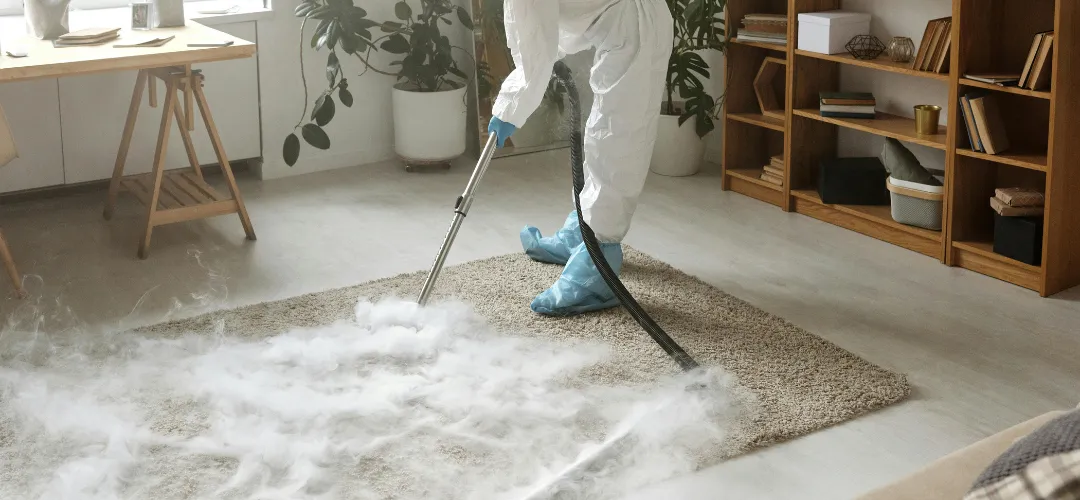
A pro starts by reading that fabric code you might have skipped, then matches the method to the material. They control moisture precisely, use hot water extraction and low-pressure tools, and dry the piece properly so wicking never gets a chance to happen. They also pull out the deep contaminants that a surface scrub leaves behind, the allergens and bacteria living in the padding.
Here’s what professional upholstery cleaning actually delivers:
- the correct method matched to your exact fabric
- a deeper, safer clean that reaches the padding
- no sticky residue and no risk of bleaching or fading
- protective treatments that guard against future stains and extend the life of your furniture
That’s the real case for why professional upholstery cleaning is better than DIY. It isn’t an upsell. A trusted upholstery cleaner protects the furniture you already paid good money for, instead of gambling with it.
Before You Grab the Spray Bottle: A Quick Checklist
Save this. Screenshot it. Stick it in your phone for the next time something spills. Run through these before you ever reach for a cleaner:
- Check the fabric code first (W, S, WS, or X) under the cushion
- Blot, don’t rub, using a clean white cloth
- Use as little moisture as possible
- Test any cleaner in a hidden spot before going all in
- Never use a carpet cleaner on your sofa
- Call a pro for set-in stains, odors, or anything you can’t blot out
One glance at this list will save you from most of the trouble we covered above.
Protect the Couch, Skip the Regret
Here’s what all of this adds up to. Tackling stains yourself often makes them worse because over-wetting, hard scrubbing, the wrong products, and ignored fabric codes push the stain deeper and leave residue that pulls in fresh dirt. And the costliest damage is the part you can’t even see: the moisture, mold, and weakened frame hiding inside your cushions.
When a spill has gone past the blotting stage or your sofa just looks tired no matter what you try, we don’t blame you. At Oasis Carpet & Upholstery, we provide professional upholstery cleaning that goes beyond surface spot treatment, lifting out deep soil while helping your furniture stay cleaner longer with treatments made to resist fresh stains and everyday dirt.
Frequently Asked Questions
1. Why does DIY upholstery cleaning make stains worse?
DIY cleaning often pushes stains deeper into the fabric due to over-wetting and causes wicking, which makes stains reappear darker after drying.
2. Why do stains spread after cleaning a couch?
Stains spread because moisture carries dirt deeper into the cushion and then pulls it back up as the fabric dries, creating larger visible marks.
3. Can over-wetting a sofa damage it?
Yes. Too much water can lead to mold, odors, water rings, and hidden damage inside the cushion padding.
4. What is the safest way to clean upholstery at home?
Blot spills immediately, use minimal moisture, test cleaners on a hidden area, and always follow the fabric cleaning code.
5. When should I call a professional upholstery cleaner?
Call a professional for deep stains, odors, pet accidents, or when DIY cleaning doesn’t remove the mark without spreading it.