Why Water Rings Keep Appearing on Fabric Furniture

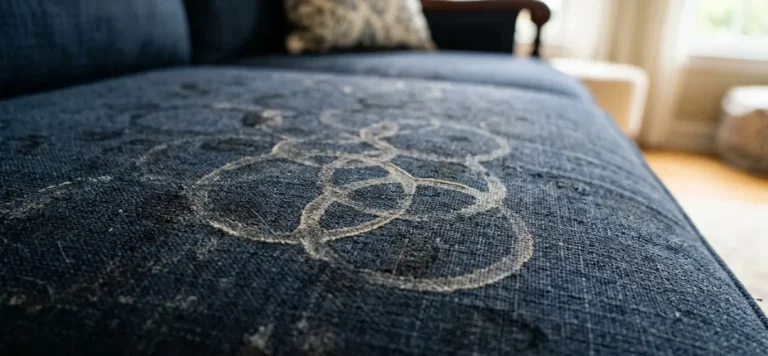
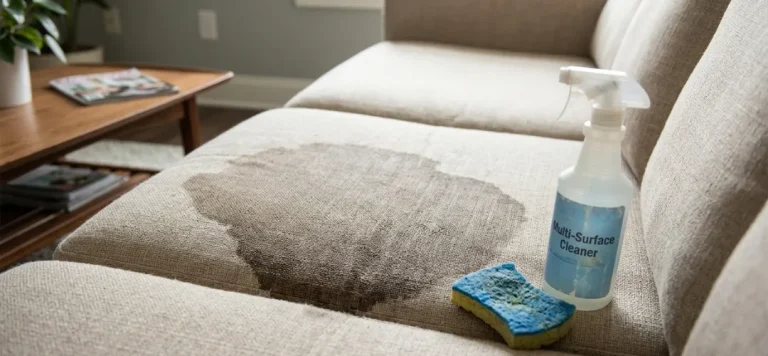
Why do water rings keep appearing on fabric furniture even after you clean the spot with care? You blot the spill, step back, and an hour later the mark looks bigger than the mess you started with. If that sounds familiar, you are not imagining things. A water stain on a fabric couch cushion usually is not about the water at all. It is the dirt, soap, body oils, and minerals getting pulled to the surface as the fabric dries. So why does your couch keep getting these rings, and what should you actually do about it? Let us walk through what causes them, why they come back, and how to clean them without making the spot worse. What Water Rings on Fabric Furniture Actually Are A water ring is the visible outline left behind when moisture dries unevenly in your couch. The water itself is rarely the problem. What it carries to the surface is. Think of your cushion like a sponge that has been quietly soaking up daily life. Dust, crumbs, leftover detergent, and skin oils settle deep into the fibers and padding. When water hits that area, it loosens all of it and drags it along as it dries. That is why a clear glass of water can still leave a stain. The water rings on fabric furniture you see are not new dirt. They are old dirt that finally became visible. You will hear these marks called a few different things: In every case, the cause is the same. Moisture moves, it picks up residue, and it leaves that residue behind in a ring shape once the fabric dries. Why Water Rings Keep Coming Back After Cleaning Here is the frustrating part. You clean the spot, it looks fine while wet, then the ring reappears as it dries. That cycle is not bad luck. It is physics. When you wet a small area of your couch, the moisture soaks into both the fabric and the cushion padding beneath it. As that spot dries, the water has to go somewhere. It travels outward and upward to evaporate, and it carries hidden residue with it the whole way. This is called the wicking effect. The moisture acts like a tiny conveyor belt, pulling buildup toward the outer edge of the wet area. Once the water evaporates, the residue stops at that border and dries into a visible ring. A few things keep this cycle going: Once you understand that water rings are a drying problem, not a cleaning problem, the fix starts to make sense. What Causes Water Rings on Upholstery To answer what causes water rings on upholstery in plain terms, the issue almost always traces back to one of five culprits. Here is how to tell them apart. Tap Water and Mineral Residue Regular tap water carries dissolved minerals. When that water evaporates from your couch, the minerals do not leave with it. They stay on the fibers and dry into a crusty ring. Distilled water has none of these minerals, which is why it is the safer choice for any spot cleaning. Dirt, Oils, and Old Cleaning Residue Your couch holds more than it shows. Body oils, dust, and detergent residue from past cleanings sit deep in the fibers. Add moisture, and all of it gets loosened and redistributed. The ring you see is that buildup settling at the drying line. Uneven Spot Cleaning Cleaning a tight circle the exact size of the stain almost guarantees a ring. The wet center dries differently than the dry edges around it. That abrupt change in moisture is what creates the hard outline. Slow Drying in Cushions and Padding Moisture trapped inside cushion padding dries slowly, especially in humid weather. The longer it stays damp, the more time residue has to travel and pool into a mark. Slow drying is one of the biggest hidden causes of recurring rings. Fabric Type and Cleaning Code Issues Some fabrics react badly to water. Check the tag for the cleaning code before you do anything: Code What it means W Water-based cleaners are safe S Use solvent-based cleaners only WS Either water or solvent products work X Vacuum only or professional cleaning only If your couch is an S-coded fabric, water-based cleaning can damage the dye or finish. Light colors, textured weaves, and microfiber show rings more easily than darker, tighter fabrics. If you are battling microfiber couch stains, gentle technique matters even more. Best Way to Clean Water Rings from Upholstery Before the steps, understand the principles. The best way to clean water rings from upholstery is to control moisture, not flood the fabric. Get these right and the steps almost take care of themselves. These same principles guide good upholstery stain removal across almost every fabric type. Once you treat the full panel instead of the spot, proper stain removal from upholstery gets far more forgiving. Step by Step: How to Get Rid of Water Rings on Upholstery So, how to get rid of water rings on upholstery? Follow these six steps in order. This is the same approach we use for removing water rings from fabric furniture before a problem sets in for good. Step 1: Vacuum the Area First Start dry. Use a soft brush attachment and vacuum the ring and the area around it. This lifts loose dust and crumbs before any moisture turns them into muddy residue. Skip this step and you give the water more grime to drag around. Step 2: Dampen the Full Section with Distilled Water Lightly dampen a clean microfiber cloth with distilled water, then blot the entire cushion face, not just the ring. Re-wetting the whole panel sounds backward, but it works. Since rings come from uneven moisture, an even light dampening helps the fabric dry as one piece instead of in patches. Step 3: Blot Gently with a Clean Cloth Press a dry white cloth onto the damp area to lift moisture and loosened residue. Work from the… Read more »
Why DIY Upholstery Cleaning Often Makes Stains Worse

There’s a glass of red wine on the floor now, an empty stain on the cushion, and your hand already reaching for a spray bottle. Before you scrub, hold on. DIY upholstery cleaning feels like the obvious move. It saves money, it looks simple, and how hard can blotting a couch really be? Harder than it looks. And messier when it goes wrong. Here’s the honest twist. That quick fix often makes the stain worse, not better, and your attempt at couch stain removal can leave you with a bigger, darker mark than you started with. In this guide, we’ll cover why clean upholstery matters, what actually goes wrong, why your couch looks dirtier afterward, the damage you can’t see, when DIY is fine, and when it’s time to call a pro. Why Clean Upholstery Matters More Than You Think Right now you just want that stain gone. Fair enough. But let’s zoom out for a second, because there’s more riding on your sofa than a splash of wine. Understanding why upholstery cleaning is important comes down to what your couch quietly collects. Think about the cushion the whole family piles onto every night. The dog naps there. The kids eat snacks there. You fall asleep watching Netflix there. Over months, that fabric soaks up dust, dead skin cells, body oils, pet dander, crumbs, and allergens that settle deep into the fibers and padding below. A surface that looks clean can hold a surprising amount underneath. That’s the whole point of proper upholstery cleaning, and it’s exactly why the wrong approach quietly works against you. You’re not just chasing one stain. You’re caring for a piece of furniture that touches your family every single day. So the goal is clean, healthy furniture. The trouble is that the most common method, grabbing a bottle and scrubbing, tends to backfire. Let’s look at why. Why Your Couch Looks Dirtier After You Clean It So you scrubbed the spot, walked away proud, and came back hours later to find a bigger, darker ring than before. Why does my couch look dirtier after cleaning? It’s one of the most frustrating things a homeowner runs into, and the answer comes down to two sneaky culprits. The first is wicking. When moisture soaks into the padding, it carries the stain down with it. Then as the cushion dries from the inside out, that moisture travels back up to the surface and drags the stain along for the ride. Picture a coffee ring spreading outward on a napkin. That’s exactly why stains spread after DIY couch cleaning, leaving you with a halo instead of a clean spot. The second culprit is residue. Soap and cleaner that never fully rinse out stay behind in the fabric, and that sticky film acts like a magnet for fresh dirt. So the area you just cleaned actually attracts more grime and ends up looking worse within days. That’s the simple, maddening truth behind why DIY upholstery cleaning makes stains worse. The Four Mistakes That Wreck Fabric Sofas Wicking and residue don’t happen by accident. They’re the result of a handful of habits that feel right in the moment but cause real harm. Here are the four big mistakes people make when cleaning fabric sofas at home, and what each one does to your couch. Over-Wetting the Fabric This is the most common slip of all. When you soak a cushion with too much water or cleaner, the liquid doesn’t stay on the surface. It sinks straight into the foam and padding beneath. The problem with over-wetting upholstery is everything that follows. Trapped moisture creates water rings, lingering musty odors, and the perfect dark, damp environment for mold and mildew inside the cushion where you can’t see it. That’s literally what happens when you overclean upholstery. You think more water means a deeper clean, but the opposite is true. Scrubbing Too Hard It’s tempting to attack a stain like you’re sanding a deck. Resist that urge. Aggressive rubbing creates friction that frays delicate fibers and pushes the pigment deeper into the backing instead of lifting it out. The result is fabric damage from cleaning that’s often permanent. Think about your armrests and seat cushions, the spots you’d scrub hardest. Those are exactly where you’ll end up with fuzzy, worn, distorted patches that no amount of cleaning will fix. Using the Wrong Cleaning Products That dish soap, that vinegar hack, that random spray under the sink? Most household cleaners are either too harsh or leave behind a sticky residue that never rinses clean. These improper cleaning methods are a gamble with your sofa. Get it wrong and you’re looking at: Some fabrics react instantly. Others show the damage a few days later, long after you’ve put the bottle away. Ignoring the Fabric Cleaning Code Flip over a cushion and you’ll usually find a tag with a single letter. That code tells you exactly how the fabric can be cleaned, and skipping it is how permanent staining and discoloration happen. Code What It Means W Water-based cleaner only S Solvent or dry-clean only, no water WS Water or solvent cleaner is safe X Vacuum only, no water or solvent Use water on an S-coded fabric and you can ruin it on the first try. Checking this tag takes ten seconds and saves you a world of regret. Upholstery Isn’t Carpet, So Stop Cleaning It Like One Here’s the root mistake that drives all four problems above. People treat a sofa like it’s a patch of carpet. Drag the carpet cleaner over, blast it with water, extract, done. It seems logical. It’s also the fastest way to wreck a couch. Carpet is built to take a beating. It handles repeated deep cleaning, heavy water, and strong extraction without flinching. Your sofa is a different animal entirely. Upholstery has thinner, more delicate fibers, absorbent padding that drinks up moisture, fabric blends that each react differently to water, and a wooden or metal frame hidden underneath… Read more »

7 Hidden Carpet Cleaning Mistakes That Are Ruining Your Floors Faster

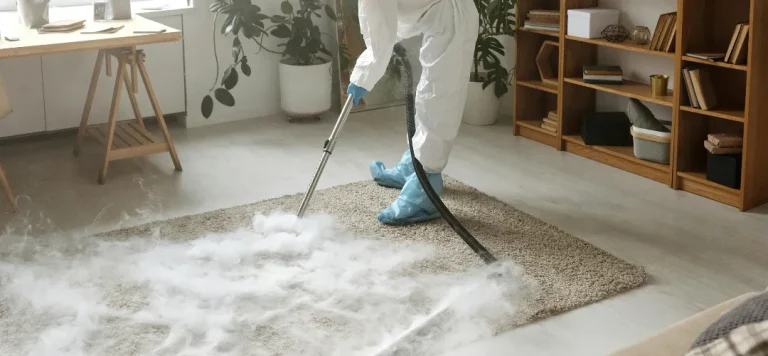
You finally tackled the carpet on Saturday. Bucket, spray bottle, that machine you borrowed from your neighbor. You stood back, proud, expecting magazine-worthy fluff. Instead, the room smelled funny and the stains looked bolder than before. Sound familiar? You are not the only one googling why does my carpet look worse after cleaning at 9pm with a damp rag still in hand. Most of these slip-ups are sneaky, and they pile up fast. In this guide, we will walk through the common carpet cleaning mistakes that quietly wear your floors down, why they happen, and how to fix each one. By the end, your carpet will thank you. Mistake 1: Over-Wetting Your Carpet Here is the quickest way to wreck a carpet without even noticing: drowning it. Over-wetting carpet feels like progress because more water seems like more clean. It is not. When you soak the fibers, that moisture does not stop at the surface. It sinks into the carpet padding and carpet backing, where your eyes cannot reach and your machine cannot pull it back out. That trapped moisture in carpet sits there, warm and dark, basically rolling out a welcome mat for mold and mildew in carpet. So can too much water damage carpet? Absolutely. Beyond the musty smell, you can get shrinkage, delamination (when the backing peels away from the fibers), and stubborn odor that no spray can mask. The fix is simple. Use water sparingly, extract as much as you can, then crank up the airflow. Fans, open windows, a dehumidifier if you have one. Dry fast, dry fully. Mistake 2: Scrubbing Stains Instead of Blotting Speaking of damp messes, let’s talk about the moment a glass of wine hits the floor. Your instinct says scrub. Scrub hard. Scrub like your security deposit depends on it. That instinct is exactly what causes carpet fiber damage. Friction is the enemy here. When you grind a cloth back and forth, you fray the yarn, twist the fibers, and leave a dull, roughed-up patch that never fully recovers. In fact, that aggressive motion is one of the biggest reasons what ruins carpet fibers during cleaning keeps showing up in regret stories everywhere. Good carpet stain removal is gentle and patient. Blotting beats scrubbing every time. Press a clean, dry cloth onto the spill, lift, repeat. The fix: work from the outside of the stain inward so you do not spread it, and dab instead of rub. The best way to remove stains without damaging carpet is letting the cloth do the lifting, not your forearm. Slow and steady keeps the fibers intact. Mistake 3: Using the Wrong Cleaning Products Once you have mastered the blotting technique, the next trap is the cleaning aisle. So many bottles, so many bold promises. Grab the wrong one, and you trade a small stain for a permanent problem. Not every cleaner plays nice with every carpet. Harsh carpet cleaning chemicals can strip the protective coating, leave behind sticky carpet residue, or cause carpet discoloration that no rinse will undo. A cleaner that is perfect for synthetic fibers might bleach or melt wool. This is where DIY carpet cleaning problems usually begin: a strong product meeting a delicate surface. Picture pouring bleach on a navy rug. You would not. Yet many store mixtures are just as aggressive, only quieter about it. The fix is to match the product to the material. Check the carpet manufacturer recommendations, mind your carpet warranty, and lean on safe carpet cleaning techniques that suit your specific fiber type. When the label and the carpet agree, you avoid the worst surprises. Mistake 4: Skipping Pre-Treatment and Spot Testing Even the right product can betray you if you rush in blind. This is the step everyone wants to skip because it feels like a delay. It is actually your insurance policy. Skipping a pre-treatment solution means tough stains never get loosened, so they set in and become roommates. And skipping the spot test? That is how a cleaner that looked harmless suddenly fades a patch right in the middle of the living room. Smart carpet cleaning tips always start with testing first. Here is a quick decision point. If the product is new to you, dab a tiny amount in a hidden corner, like inside a closet, and wait. No fading, no bubbling, no weird smell? You are good to go. The fix: pre-treat high-traffic spots and let the solution sit for ten to fifteen minutes, then run that spot test before you commit. Two minutes of caution saves a whole carpet. Mistake 5: Overusing Baking Soda and Deodorizing Powders Now for the trick everyone swears by. Why do people sprinkle baking soda on carpet before vacuuming? Simple. Baking soda absorbs odor, so a quick dusting promises a fresher-smelling room without much effort. The intention is great. The overuse is where it goes sideways. When you pour on too much, the fine powder works its way deep into the fibers, far past what a normal vacuum can pull back up. That leftover deodorizing powder buildup turns into a dull, dusty film that actually attracts more dirt and speeds up carpet resoiling. Think of it like dry shampoo. A light mist refreshes. Half the bottle leaves you crunchy and gray. The fix is restraint. Use a light sprinkle, let it sit briefly, then vacuum slowly and thoroughly in more than one direction. If odor keeps coming back, the smell is likely living deeper down, and that is a job for professional carpet cleaning rather than another cup of powder. Mistake 6: Not Vacuuming Before Deep Cleaning That powder problem points to a bigger truth: anything dry on the surface needs to leave before water shows up. Vacuuming before cleaning is not optional, it is the foundation. When you skip this step and jump straight into a wet clean, you wet all that loose grit and press it deeper. The dirt buildup in carpets gets ground down into the base of the… Read more »

When to Call an Upholstery Cleaner in Goodrich

Knowing when to call an upholstery cleaner in Goodrich can help you maintain your furniture’s appearance and extend its life significantly. While regular maintenance handles day-to-day care, certain situations require professional expertise and equipment to restore your furniture properly. Professional upholstery cleaning addresses problems that home cleaning methods can’t handle effectively. Recognizing these situations early helps prevent permanent damage and keeps your furniture investment protected for years to come. What Signs Indicate Your Furniture Needs Professional Attention? Visible stains that don’t respond to home cleaning attempts are clear indicators that professional help is needed. Pet accidents, spilled drinks, and food stains often penetrate deep into upholstery where regular cleaning products can’t reach effectively. Persistent odors that continue even after thorough vacuuming and surface cleaning require professional treatment. These smells often come from deep-seated bacteria or organic matter that needs specialized cleaning solutions to eliminate completely. Furniture that looks dingy or dull despite regular maintenance may have accumulated oils and soil that only professional cleaning can remove. This buildup happens gradually and often isn’t noticeable until professional cleaning reveals how much brighter your furniture can look. How Often Should Different Types of Furniture Be Professionally Cleaned? Heavily used pieces like family room sofas and dining chairs typically need professional cleaning every 12 to 18 months. These pieces see daily use and accumulate more soil, oils, and general wear than furniture in less active areas. Formal furniture in living rooms or guest bedrooms can often go 2 to 3 years between professional cleanings if they receive light use. However, homes with pets or frequent entertaining may need more frequent service regardless of the room’s formality. Leather furniture requires different timing, typically needing professional conditioning and cleaning every 1 to 2 years to maintain its suppleness and appearance. Climate and use patterns affect this schedule significantly. What Emergency Situations Require Immediate Professional Help? Large spills involving red wine, coffee, or colored beverages need professional attention within 24 to 48 hours for the best chance of complete removal. The longer these substances sit, the more likely they are to cause permanent staining. Pet accidents require prompt professional cleaning to eliminate both visible stains and odors that can encourage repeat incidents in the same location. Home cleaning rarely addresses all the bacterial concerns that professional treatment handles. Water damage from flooding or plumbing issues needs immediate professional attention to prevent mold growth and fabric damage. Professional cleaners have equipment to extract water and accelerate drying in ways that prevent long-term problems. How Goodrich’s Home Styles Influence Upholstery Cleaning Needs Goodrich features many traditional homes with formal living and dining rooms that contain older, quality furniture requiring careful cleaning approaches. These pieces often use natural fiber fabrics that need specific cleaning methods to maintain their integrity and appearance. The area’s mix of farm properties and suburban developments means many homes see outdoor activity that brings additional soil indoors. Families involved in farming, gardening, or outdoor recreation track more dirt and organic matter that settles into upholstery over time. Goodrich’s established neighborhoods often feature homes where furniture represents significant investments passed down through generations. Professional cleaning helps preserve these valuable pieces while maintaining their functionality for daily family use. When your upholstery needs professional care, Oasis Carpet and Upholstery understands Goodrich homes and the unique challenges they present. We provide gentle yet effective cleaning that preserves valuable furniture while restoring its appearance and freshness. Our complete home cleaning services address all your soft surface needs. Call (248) 391-2598 to schedule professional upholstery cleaning in Goodrich.

How to Find Reliable Carpet Cleaning in Clarkston

Finding reliable carpet cleaning in Clarkston means looking beyond the lowest price to find a service that delivers consistent results and stands behind their work. The best carpet cleaners combine professional equipment, experienced technicians, and a commitment to customer satisfaction that shows in every job. Reliability in carpet cleaning includes showing up on time, completing work as promised, and providing service that lasts. You want a cleaner who treats your home respectfully and leaves your carpets genuinely cleaner than when they started. What Are the Signs of a Reliable Carpet Cleaning Company? Reliable companies provide clear, written estimates that detail what’s included in their service. They explain their cleaning process, discuss any limitations based on your carpet’s condition, and give realistic timelines for both the work and drying periods. Look for cleaners with proper insurance and business licensing. They should be able to provide proof of both without hesitation, as these protections benefit you if any accidents or damage occur during cleaning. Professional presentation matters too. Reliable services arrive in marked vehicles with professional equipment, wear identifiable uniforms or company clothing, and conduct themselves professionally in your home. How Do You Research a Company’s Track Record? Check online reviews from multiple sources, paying attention to how companies respond to both positive and negative feedback. Reliable businesses address concerns professionally and work to resolve issues when they arise. Ask for references from recent customers in your area. Most reliable companies are happy to provide contact information for satisfied customers who can share their experience with the service. Check with the Better Business Bureau for complaint records and resolution patterns. While every business may receive occasional complaints, the pattern of how they handle issues tells you about their commitment to customer satisfaction. What Questions Help Identify Reliable Service Providers? Ask how long they’ve been serving the Clarkston area and what training their technicians receive. Established companies with ongoing training programs typically provide more consistent, reliable service than newer operations without structured approaches. Find out about their guarantee policy. Reliable cleaners offer satisfaction guarantees and will return to address any issues within a reasonable timeframe after the initial service. Inquire about their equipment maintenance and cleaning solution quality. Professional companies maintain their equipment regularly and use quality cleaning products that deliver consistent results without damaging carpets or leaving residues. Why Clarkston’s Suburban Setting Benefits from Local Carpet Cleaners Clarkston’s established neighborhoods with mature trees create unique carpet challenges during fall months when leaves and organic debris track indoors more readily. Local cleaners understand these seasonal patterns and can advise on the best timing for preventive cleaning. The area’s mix of older and newer homes means carpet types vary significantly from room to room and house to house. Reliable local cleaners develop expertise with different carpet materials and installation methods common in Clarkston neighborhoods. Suburban families often have busy schedules with school activities, sports, and community events that make flexible scheduling important. Local companies typically offer more accommodation for timing needs and can work around family schedules more easily than larger regional services. When you need dependable carpet cleaning in Clarkston , Oasis Carpet and Upholstery brings years of reliable service to area homeowners. We understand local home styles and seasonal cleaning needs, providing consistent results you can count on. Our comprehensive cleaning services extend to all your home’s soft surfaces. Call (248) 391-2598 to experience reliable, professional carpet cleaning service.

Ortonville Resident’s Guide to Upholstery Care

Your furniture represents a significant investment, and proper upholstery care helps it stay beautiful and functional for many years. Living in Ortonville presents unique challenges for furniture maintenance, from lake humidity to seasonal weather changes that affect how you should care for different fabric types. Understanding the basics of upholstery care helps you maintain your furniture between professional cleanings and know when to call in experts. Simple daily habits can prevent many common problems and extend the life of your favorite pieces. What Daily Habits Help Protect Your Upholstered Furniture? Regular vacuuming with an upholstery attachment removes surface dirt before it works deep into fabric fibers. Focus on cushion crevices and areas where pets or family members sit most often, as these spots accumulate the most debris. Rotate and flip cushions regularly to ensure even wear patterns. This simple step prevents some areas from becoming permanently compressed while others look almost new, helping your furniture age more evenly. Keep furniture away from direct sunlight, which can fade colors and weaken fabric fibers over time. If you can’t avoid sun exposure, consider window treatments or UV-protective film to reduce damage. How Should You Handle Spills and Stains at Home? Act quickly when spills happen. Blot liquids immediately with clean cloths, working from the outside of the stain toward the center to prevent spreading. Never rub or scrub, as this can push the spill deeper into fabric or damage fibers. For solid spills, carefully scrape up excess material with a spoon or dull knife before treating the remaining stain. Always check manufacturer care labels before using any cleaning products, as some fabrics require specific treatments. Test any cleaning solution in an inconspicuous area first. Even gentle cleaners can cause discoloration or damage to certain fabrics, so this step helps avoid making a small stain into a larger problem. When Should You Call Professional Upholstery Cleaners? Schedule professional cleaning every 12 to 24 months depending on use and household conditions. Homes with pets, young children, or heavy entertaining may need more frequent service to maintain appearance and hygiene. Call professionals immediately for large spills involving wine, coffee, or other potentially staining liquids. Quick professional treatment often means the difference between complete stain removal and permanent damage. Professional cleaning is also necessary when furniture develops odors that regular maintenance can’t eliminate, or when colors appear dull even after vacuuming. These signs indicate deep-seated soil that requires professional equipment and expertise. How Ortonville’s Lake Climate Affects Upholstery Longevity Ortonville’s proximity to lakes creates higher ambient humidity that can affect certain upholstery materials. Natural fiber fabrics like cotton and linen may develop mildew or musty odors more readily in humid conditions, making proper ventilation essential. The area’s seasonal humidity swings cause some fabrics to expand and contract, potentially leading to loose seams or fabric distortion over time. Regular professional maintenance helps identify and address these issues before they become serious problems. Lake activities bring unique challenges like wet swimsuits or sandy feet that can damage upholstery if not managed properly. Consider protective covers for heavily used furniture during summer months, and establish household rules about wet clothing and outdoor gear near furniture. For professional upholstery care that understands Ortonville’s unique challenges, Oasis Carpet and Upholstery provides expert cleaning and maintenance advice. We work with the area’s humidity patterns and seasonal changes to keep your furniture in excellent condition. Our services extend to complete home cleaning solutions for all your needs. Call (248) 391-2598 to schedule your upholstery care consultation.

Finding Quality Carpet Cleaning in Grand Blanc: What to Know

Quality carpet cleaning in Grand Blanc isn’t just about removing surface dirt. The best services understand your home’s specific needs, use safe cleaning products, and deliver results that help your carpets last longer while keeping your family healthy. With several cleaning companies serving the Grand Blanc area, knowing what separates quality service from basic cleaning helps you make the right choice for your home. The difference often lies in the details of their process, equipment, and approach to customer service. What Makes a Carpet Cleaning Service Worth Hiring? Look for cleaners who take time to inspect your carpets before starting work. Quality services identify problem areas, test cleaning solutions in inconspicuous spots, and explain their process clearly so you understand what they’re doing. Professional equipment makes a significant difference in cleaning effectiveness. Truck-mounted systems provide more powerful suction and better hot water extraction than portable machines, removing more dirt and reducing drying time. A quality service includes proper pre-treatment of stains, thorough cleaning of high-traffic areas, and post-cleaning inspection to ensure satisfaction. They should also provide care instructions to help maintain your carpets between professional cleanings. How Can You Tell if a Company Uses Safe Cleaning Methods? Ask about the cleaning products they use and whether they’re safe for children and pets. Quality companies use cleaning solutions that are effective yet gentle, avoiding harsh chemicals that can leave residues or cause health concerns. Reputable cleaners should be able to explain their process and why certain products work best for different types of stains and carpet materials. They’ll also discuss any special considerations if you have family members with allergies or sensitivities. The best services focus on cleaning methods that don’t leave soap residues, which can actually attract more dirt over time. Proper rinsing and extraction techniques ensure your carpets stay cleaner longer after professional service. What Should Quality Carpet Cleaning Cost in Your Area? Pricing should be transparent with no hidden fees for basic services like pre-treatment or standard stain removal. Be cautious of prices that seem unusually low, as they often indicate shortcuts in the cleaning process or additional charges later. Quality services typically price by square footage or room size and provide written estimates that include all standard services. Additional charges should only apply to specialized treatments like pet odor removal or heavily soiled areas requiring extra attention. Remember that the cheapest option often costs more in the long run if it doesn’t effectively clean your carpets or if poor methods damage your flooring. Quality cleaning extends carpet life and maintains your home’s appearance and air quality. Why Grand Blanc’s Seasonal Changes Impact Carpet Care Grand Blanc experiences Michigan’s full range of seasonal weather, which affects how and when your carpets need professional attention. Spring brings mud season when melting snow and rain create tracking problems that require thorough deep cleaning. Summer’s humidity can slow carpet drying after cleaning, making it important to choose services with powerful extraction equipment and proper ventilation techniques. Fall brings increased indoor time and holiday preparations when you want carpets looking their best. Winter presents unique challenges with salt, sand, and snow tracked indoors daily. Quality cleaners understand how to neutralize salt damage and remove ground-in debris without damaging carpet fibers, protecting your investment during harsh weather months. When you need reliable carpet cleaning in Grand Blanc , Oasis Carpet and Upholstery combines professional equipment with local expertise. We understand seasonal cleaning challenges and use methods that work effectively in Michigan’s climate. Our complete home cleaning services help maintain your entire living space. Call (248) 391-2598 to schedule your professional carpet cleaning service.

What to Expect from Upholstery Cleaning in Ortonville

Have you wondered what actually happens when you hire a professional to clean your furniture? Upholstery cleaning in Ortonville involves careful assessment of your furniture’s fabric, proper cleaning techniques, and protective measures to keep your pieces looking great for years to come. Understanding the process helps you prepare properly and know what results to expect. Professional upholstery cleaning can restore faded colors, remove stubborn stains, and eliminate odors that regular vacuuming can’t touch. How Do Professionals Clean Different Types of Upholstery? Professional cleaners start by identifying your furniture’s fabric type and construction. Different materials like leather, microfiber, cotton, and synthetic blends each require specific cleaning methods and products to avoid damage. For most fabric upholstery, the process involves pre-treatment of stains, gentle agitation to lift embedded dirt, and controlled moisture extraction. Leather pieces get specialized conditioning treatments to maintain their suppleness and prevent cracking. The cleaning equipment used makes a significant difference in results. Professional-grade steam cleaners and extraction systems remove far more dirt and moisture than home rental machines, leaving your furniture cleaner and drying faster. What Should You Do Before the Cleaning Service Arrives? Remove all personal items from furniture surfaces including cushions, throws, and decorative pillows. Clear pathways so cleaners can easily access all pieces and move around furniture if needed. Vacuum loose debris from cushions and crevices beforehand. This helps the cleaning process focus on embedded dirt and stains rather than surface particles that regular maintenance should handle. Point out any specific stains or problem areas to your cleaner. The more information you provide about spills or pet accidents, the better they can select appropriate treatments. How Long Does the Process Take and When Can You Use Your Furniture? Most upholstery cleaning takes 1 to 3 hours depending on the number of pieces and their condition. Individual chairs might be done in 30 minutes, while sectional sofas require more time for thorough cleaning. Drying time varies by fabric type and room conditions. Most pieces are ready to use within 4 to 6 hours, though thick cushions or humid conditions may extend this to overnight. Your cleaner should provide specific guidance based on your furniture and current weather. Professional cleaning includes steps to accelerate drying like proper ventilation and moisture extraction. Some services use fans or dehumidifiers to speed the process, especially during Ortonville’s humid summer months. Why Ortonville’s Lake Environment Affects Upholstery Maintenance Ortonville’s location near lakes and wetlands creates higher humidity levels that can impact upholstery cleaning and maintenance. The moisture in the air can slow drying times after cleaning, making proper ventilation and professional extraction equipment even more important. Lake proximity also means more opportunities for outdoor activities that bring additional dirt and pollen indoors. Families spend more time by the water during summer months, tracking in sand and organic debris that can settle deep into furniture fibers. Seasonal humidity changes from dry winters to humid summers can cause natural fiber upholstery to expand and contract. Regular professional cleaning helps maintain fabric stability and prevents premature wear from these environmental stresses. When your furniture needs professional attention, Oasis Carpet and Upholstery understands Ortonville’s unique environmental challenges. We use proper drying techniques and work around local humidity patterns to ensure your furniture is ready to use quickly. Our comprehensive cleaning services extend beyond just upholstery to keep your entire home fresh. Call (248) 391-2598 to schedule your upholstery cleaning in Ortonville.

How to Choose a Carpet Cleaner in Goodrich

Choosing the right carpet cleaner in Goodrich means finding someone who understands Michigan homes and can deliver results that last. You want a service that uses safe cleaning methods, has local experience, and can handle everything from everyday dirt to pet stains. With so many options available, it helps to know exactly what questions to ask and what signs indicate a quality service. The right carpet cleaner will make your carpets look fresh and extend their life, while the wrong choice can leave you with soggy carpets or returning stains. What Should You Look for in a Professional Carpet Cleaner? A quality carpet cleaner will offer a clear explanation of their process and use professional-grade equipment. Look for services that pre-treat stains, use truck-mounted systems for better suction, and can explain why their cleaning method works best for your specific carpet type. Professional cleaners should also be able to provide references from other Goodrich homeowners and show proof of insurance. They’ll give you realistic expectations about drying times and what results you can expect based on your carpet’s age and condition. Experience matters especially when dealing with Michigan’s unique challenges like mud tracked in during spring thaw or salt stains from winter weather. A local cleaner understands these seasonal issues and knows how to address them properly. How Do You Know When Your Carpets Need Professional Cleaning? Your carpets need professional attention when regular vacuuming isn’t keeping them fresh anymore. This typically happens every 12 to 18 months for most households, though homes with pets or high foot traffic may need service more frequently. Signs it’s time to call a professional include visible stains that won’t come out with home treatments, carpets that look dull even after vacuuming, or persistent odors that cleaning products can’t eliminate. If you notice your carpets feeling sticky or crunchy underfoot, they likely have soap residue buildup from previous cleaning attempts. Don’t wait until carpets look obviously dirty. Regular professional cleaning prevents deep soil buildup that can damage carpet fibers and create permanent stains. What Questions Should You Ask Before Hiring? Ask about their cleaning process and what equipment they use. Truck-mounted systems are generally more powerful than portable units and leave carpets cleaner with faster drying times. Find out if they guarantee their work and what that guarantee covers. Reputable cleaners stand behind their services and will return to address any issues within a reasonable timeframe. Always ask for an estimate that includes all services. Some companies quote low prices but add charges for things like pre-treatment, furniture moving, or stain removal. A good carpet cleaning service in Goodrich will be upfront about all costs. How Goodrich’s Climate Affects Carpet Cleaning Needs Goodrich’s humid summers and snowy winters create specific challenges for carpet maintenance. The humidity can slow drying times after cleaning, making proper ventilation and powerful extraction equipment essential for preventing mold or mildew issues. Winter brings salt, sand, and mud that can be particularly damaging to carpets if not addressed promptly. Michigan homeowners benefit from cleaners who understand how to neutralize salt residue and remove ground-in sand without damaging carpet fibers. Spring cleaning is especially important in Goodrich, as melting snow and spring rains track extra moisture and soil into homes. This is often the best time to schedule professional cleaning to remove winter buildup and prepare carpets for the year ahead. When you’re ready to refresh your carpets, Oasis Carpet and Upholstery brings years of experience serving Goodrich homeowners. We understand local cleaning challenges and use truck-mounted equipment for thorough cleaning and faster drying. Call us at (248) 391-2598 to schedule your carpet cleaning service.