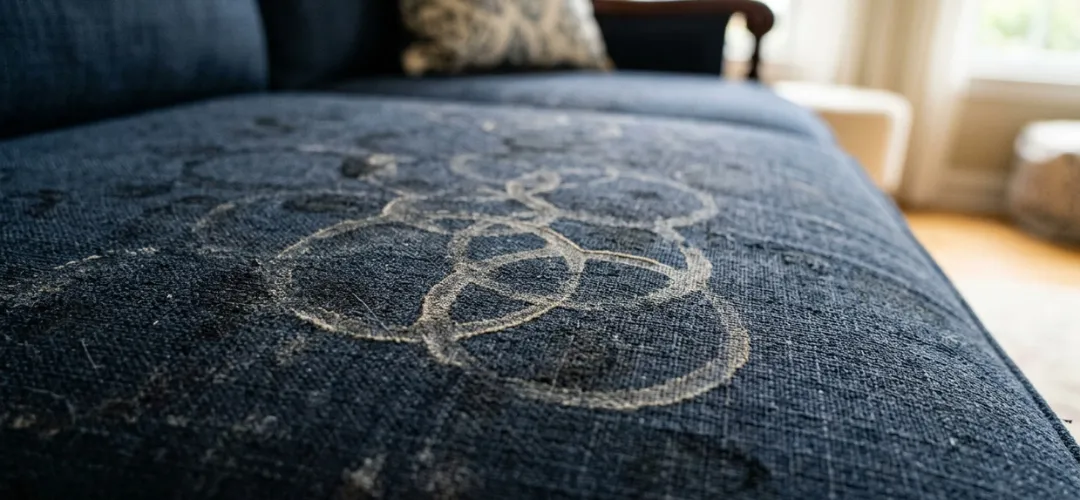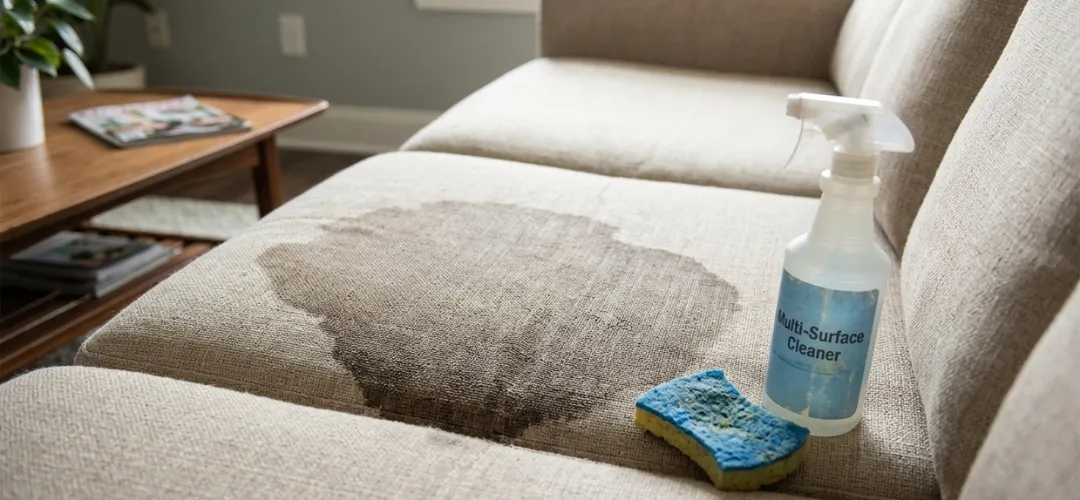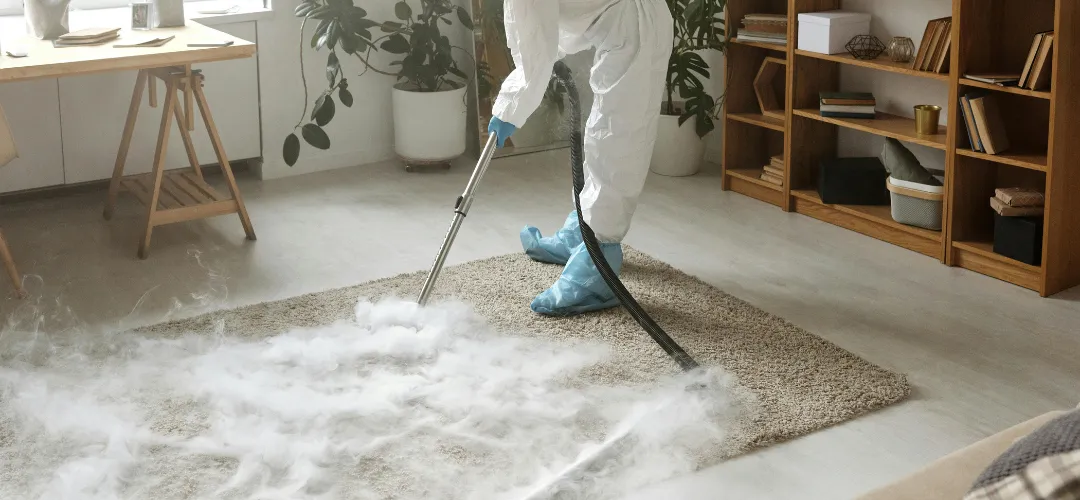
You finally tackled the carpet on Saturday. Bucket, spray bottle, that machine you borrowed from your neighbor. You stood back, proud, expecting magazine-worthy fluff. Instead, the room smelled funny and the stains looked bolder than before.
Sound familiar? You are not the only one googling why does my carpet look worse after cleaning at 9pm with a damp rag still in hand. Most of these slip-ups are sneaky, and they pile up fast.
In this guide, we will walk through the common carpet cleaning mistakes that quietly wear your floors down, why they happen, and how to fix each one. By the end, your carpet will thank you.
Mistake 1: Over-Wetting Your Carpet
Here is the quickest way to wreck a carpet without even noticing: drowning it. Over-wetting carpet feels like progress because more water seems like more clean. It is not.
When you soak the fibers, that moisture does not stop at the surface. It sinks into the carpet padding and carpet backing, where your eyes cannot reach and your machine cannot pull it back out. That trapped moisture in carpet sits there, warm and dark, basically rolling out a welcome mat for mold and mildew in carpet.
So can too much water damage carpet? Absolutely. Beyond the musty smell, you can get shrinkage, delamination (when the backing peels away from the fibers), and stubborn odor that no spray can mask.
The fix is simple. Use water sparingly, extract as much as you can, then crank up the airflow. Fans, open windows, a dehumidifier if you have one. Dry fast, dry fully.
Mistake 2: Scrubbing Stains Instead of Blotting
Speaking of damp messes, let’s talk about the moment a glass of wine hits the floor. Your instinct says scrub. Scrub hard. Scrub like your security deposit depends on it.
That instinct is exactly what causes carpet fiber damage. Friction is the enemy here. When you grind a cloth back and forth, you fray the yarn, twist the fibers, and leave a dull, roughed-up patch that never fully recovers. In fact, that aggressive motion is one of the biggest reasons what ruins carpet fibers during cleaning keeps showing up in regret stories everywhere.
Good carpet stain removal is gentle and patient. Blotting beats scrubbing every time. Press a clean, dry cloth onto the spill, lift, repeat.
The fix: work from the outside of the stain inward so you do not spread it, and dab instead of rub. The best way to remove stains without damaging carpet is letting the cloth do the lifting, not your forearm. Slow and steady keeps the fibers intact.
Mistake 3: Using the Wrong Cleaning Products
Once you have mastered the blotting technique, the next trap is the cleaning aisle. So many bottles, so many bold promises. Grab the wrong one, and you trade a small stain for a permanent problem.
Not every cleaner plays nice with every carpet. Harsh carpet cleaning chemicals can strip the protective coating, leave behind sticky carpet residue, or cause carpet discoloration that no rinse will undo. A cleaner that is perfect for synthetic fibers might bleach or melt wool. This is where DIY carpet cleaning problems usually begin: a strong product meeting a delicate surface.
Picture pouring bleach on a navy rug. You would not. Yet many store mixtures are just as aggressive, only quieter about it.
The fix is to match the product to the material. Check the carpet manufacturer recommendations, mind your carpet warranty, and lean on safe carpet cleaning techniques that suit your specific fiber type. When the label and the carpet agree, you avoid the worst surprises.
Mistake 4: Skipping Pre-Treatment and Spot Testing
Even the right product can betray you if you rush in blind. This is the step everyone wants to skip because it feels like a delay. It is actually your insurance policy.
Skipping a pre-treatment solution means tough stains never get loosened, so they set in and become roommates. And skipping the spot test? That is how a cleaner that looked harmless suddenly fades a patch right in the middle of the living room. Smart carpet cleaning tips always start with testing first.
Here is a quick decision point. If the product is new to you, dab a tiny amount in a hidden corner, like inside a closet, and wait. No fading, no bubbling, no weird smell? You are good to go.
The fix: pre-treat high-traffic spots and let the solution sit for ten to fifteen minutes, then run that spot test before you commit. Two minutes of caution saves a whole carpet.
Mistake 5: Overusing Baking Soda and Deodorizing Powders
Now for the trick everyone swears by. Why do people sprinkle baking soda on carpet before vacuuming? Simple. Baking soda absorbs odor, so a quick dusting promises a fresher-smelling room without much effort.
The intention is great. The overuse is where it goes sideways. When you pour on too much, the fine powder works its way deep into the fibers, far past what a normal vacuum can pull back up. That leftover deodorizing powder buildup turns into a dull, dusty film that actually attracts more dirt and speeds up carpet resoiling.
Think of it like dry shampoo. A light mist refreshes. Half the bottle leaves you crunchy and gray.
The fix is restraint. Use a light sprinkle, let it sit briefly, then vacuum slowly and thoroughly in more than one direction. If odor keeps coming back, the smell is likely living deeper down, and that is a job for professional carpet cleaning rather than another cup of powder.
Mistake 6: Not Vacuuming Before Deep Cleaning
That powder problem points to a bigger truth: anything dry on the surface needs to leave before water shows up. Vacuuming before cleaning is not optional, it is the foundation.
When you skip this step and jump straight into a wet clean, you wet all that loose grit and press it deeper. The dirt buildup in carpets gets ground down into the base of the fibers, where foot traffic crushes it like sandpaper. That hidden abrasion is brutal on carpet lifespan, and it makes any deep carpet cleaning far less effective because you are basically washing mud into the pile.
Here is the easy mental model. Vacuuming is sweeping the kitchen before you mop. Mop a dirty floor and you just smear the mess around.
The fix: always vacuum thoroughly first, ideally with a few slow passes over the busy areas. Clear the loose stuff, then bring in the moisture.
Mistake 7: Relying on Faulty Rental Equipment
Even if you nail every step above, your tools can still let you down. Rental machines look like a bargain, and sometimes they are. Other times they are the reason for the soggy mess you are standing in.
Cheap or worn rental units often have weak suction, low heat, and no proper rinse cycle. Translation: they push water in but cannot pull it back out. Hello again, over-wetting carpet and that lingering question of why carpet smells after cleaning. Poor extraction leaves moisture and detergent behind, and that combo breeds odor and faster resoiling. These rental carpet cleaner problems are a top cause of disappointment.
The fix is to inspect the machine before you commit. Strong suction, heated water, and a rinse function matter. If the unit feels tired or the suction is weak, walk away. For tougher jobs, quality rug and carpet cleaning by a pro or a genuinely good machine pays off.
How to Avoid Carpet Cleaning Mistakes at Home
So how do you keep all of this straight? Honestly, it comes down to a short routine, not a science degree.
Here is how to avoid carpet cleaning mistakes at home in one quick pass:
- Vacuum first, every single time, with a few slow passes
- Spot test any new product in a hidden corner before using it
- Blot stains gently from the outside in, never scrub
- Use less water and dry quickly with fans or windows open
- Go light on powders and rinse out all residue
Following these steps is the easiest way to avoid damaging your carpet while still getting it genuinely clean. These are the same carpet cleaning mistakes to avoid that the pros watch for, and they line up with widely accepted IICRC carpet cleaning standards.
Now, the decision point. If you have set-in pet stains, water damage, a delicate wool rug, or odors that keep crawling back, that is your cue to call a professional. Some jobs need commercial extraction and trained hands.
Final Takeaway
Here is what all seven add up to. Small habits, repeated over time, quietly decide whether your carpet lasts five years or fifteen. The mistakes to avoid when cleaning carpet are not dramatic. They are the everyday shortcuts that feel productive in the moment and cost you later.
The good news? You now know better. Vacuum first, blot instead of scrub, match your products, go easy on the water, and respect the drying process. A few simple changes protect your floors for years and keep them looking like you actually care, because you do.
And if a stain has outlasted your best effort, or your carpet still feels off after a deep clean, do not keep wrestling with it. Reach out to Oasis Carpet & Upholstery for professional carpet cleaning that stops the damage at the source and brings your floors back to life.
Frequently Asked Questions
1. Why does my carpet look worse after cleaning?
This usually happens due to leftover residue, over-wetting, or dirt being pushed deeper into the fibers during improper cleaning.
2. Can too much water damage carpet?
Yes, excess water can seep into the padding, causing mold growth, bad odors, and even structural damage to the carpet backing.
3. How often should carpets be professionally cleaned?
Most carpets should be professionally cleaned every 12–18 months, or more often in high-traffic areas or homes with pets.
4. Is scrubbing stains bad for carpet?
Yes, scrubbing damages carpet fibers and spreads stains. Blotting gently is the safer and more effective method.
5. Why does my carpet smell after cleaning?
A lingering smell is usually caused by trapped moisture, leftover detergent, or bacteria growing in damp carpet layers.